Module design and imagery
Lifestyle and detail imagery produced or adapted to Amazon's module dimensions, with text baked into images only where it is legible on a phone, which is where most of it will be read.

Reliable Remote Staffing
Since 2004
A+ Content Design
By the time a shopper scrolls into A+ content, they are interested and unconvinced. They have a specific doubt — will it fit, how does it compare to the cheaper one, is this the right variant. A+ modules that restate the title do nothing for that shopper. Modules that answer the doubt directly are the difference between a scroll and a purchase.
StaffCloud designs and builds A+ and Premium A+ content against that logic: what does this buyer need to know, in what order, and which module type puts it in front of them fastest. The team produces the imagery, writes the copy, builds the modules and uploads them, then keeps them current as the range changes.
The same team maintains the brand story strip that runs across your catalogue — the piece most brands build once and never update, even after the positioning has moved on.
Lifestyle and detail imagery produced or adapted to Amazon's module dimensions, with text baked into images only where it is legible on a phone, which is where most of it will be read.
The module that does the most work in a range: your variants side by side with the differences that actually decide the choice, which also keeps the shopper inside your catalogue rather than back in search.
The cross-catalogue brand module built once and maintained, so a shopper arriving on any ASIN gets the same argument for the brand behind it.
Written from your reviews and returns reasons rather than from the marketing deck — the objections are already documented, in public, by the people who bought it.
Larger modules, video and interactive comparison where your brand is eligible, with an honest view of whether the upgrade earns its production cost for your category.
Built, uploaded, checked on desktop and mobile, and updated when the range changes — including the unglamorous part of reapplying content after Amazon drops it.
Modules built to the brand's own art direction and to Amazon's template rules — image dimensions, text limits and the comparison table's column count are all fixed, and a module that breaks them is rejected rather than degraded.
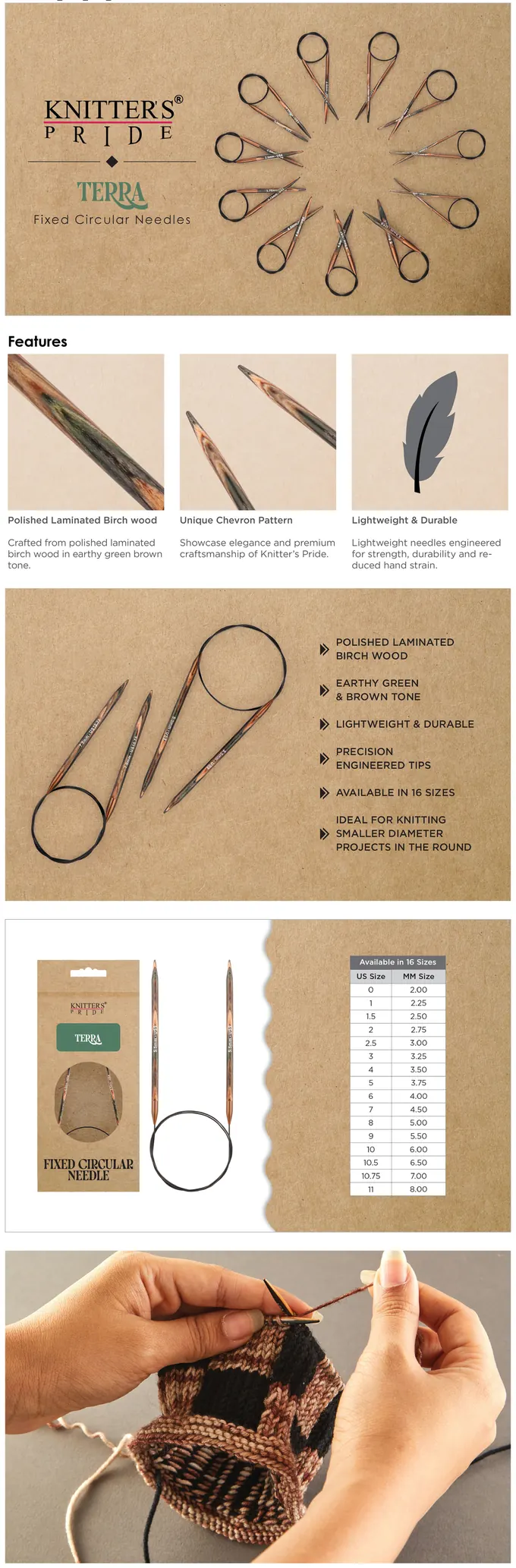 View full size
Feature modules over a consistent paper-and-wood art direction, with a four-up feature strip and a specification list built to the brand's catalogue style.
 View full size
Colourway grid for a 30-plus shade range, with the shade numbers and names legible at the size Amazon actually renders the module, plus fibre, weight and gauge as a structured block.
Client work is published with the client's permission. Product names and marks belong to their owners.
Reviews, returns reasons and competitor pages read before anything is designed. The brief comes out of what buyers actually hesitate over.
Module sequence chosen against that brief, copy written, layout drafted for your approval before production starts.
Imagery produced or adapted, modules assembled to Amazon's specifications, checked at phone size where most of the reading happens.
Published, QA'd live, and maintained as the range changes — including reapplying content when Amazon removes it without notice.
A+ content does not bring traffic. It converts the traffic that everything else already paid for — which is why it is usually the cheapest conversion work available on an Amazon detail page.
The pod works inside your stack. These are the systems this team uses day to day — if yours is not listed, we will learn it.
The things worth knowing before the first call.
Describe the workload in a sentence and we will point you at the right team — or tell you honestly if it is not something we should take on.
Ask usEither works. Most brands supply their product photography and StaffCloud produces everything built around it — lifestyle composites, comparison charts, diagrams and callouts. Where there is no usable photography to start from, we will tell you early, because no amount of design work rescues a poor source image.
Being clear about that up front means you spend on photography where it will actually change the page, rather than discovering the problem at the end.
Enough to answer your customers' objections, and no more. A page of seven modules that repeat each other performs worse than three that each do a distinct job, and everything below the fold is competing with the reviews section for attention.
StaffCloud plans the module set around what the product actually has to prove before someone buys, so the page earns its length rather than filling it.
Sometimes. It costs more to produce and it is not available to every brand. For considered purchases where customers have a genuine comparison problem, it usually earns its cost. For a low-price commodity product, it usually does not.
StaffCloud will look at your range and tell you which of those we think you have, rather than recommending the more expensive option by default.
Yes, and it is worth budgeting for from the start. Comparison charts go out of date the moment a variant is added or discontinued, and a chart showing a product you no longer sell is worse than no chart at all.
StaffCloud keeps the source files and updates the affected modules as your range moves, so your detail pages stay accurate without anyone having to remember to check them.
It happens, usually after a policy change or a content review, and usually without a useful explanation. StaffCloud monitors your pages for removals, identifies the policy clause behind it, corrects the content and republishes.
Because we hold and version the source files, that turnaround is a matter of correcting one module rather than rebuilding the page from scratch — which is the difference between a page being down for days and being down for weeks.
Yes. Copy and layout are really one decision — a module type is chosen because of what the copy has to do on that part of the page. Splitting the two across separate suppliers tends to produce pages where neither quite works: text written for a layout it does not have, or a layout built around copy that has not been written yet.
Keeping both with one team avoids that, and it removes a hand-off from your schedule.
Tell us the workload
We will map the roles, the hours and the cost, and come back within one working day.
Or submit an enquiry — the full form, with a service line