Manual at the wrong scale
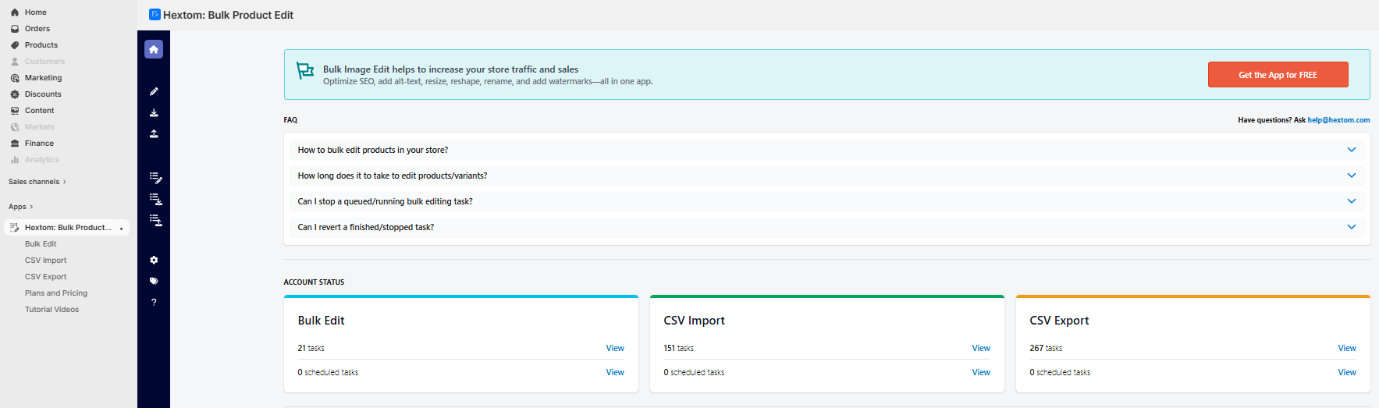
Inventory and catalogue updates were being handled manually on a six-figure SKU base.

Reliable Remote Staffing
Since 2004
Client success story · CS17
Bulk operations, catalogue structure and global shipping for a multi-brand retailer
A US multi-brand retailer in tools and automotive had strong product depth and a functional Shopify store that was not built for scale, discoverability or a seamless customer experience.
Managing multiple brands under one ecosystem needs centralised control with flexible execution, and that structure was missing.
Problem
Product data was disorganised across a large SKU base with inconsistent taxonomy and category mapping, and vendor data arriving in multiple formats caused mismatches.
Frequent inventory updates required manual effort, conversion suffered from missing trust signals and UX elements, and there was no unified structure for global shipping and checkout.
Inventory and catalogue updates were being handled manually on a six-figure SKU base.
Category mapping varied by brand, making filtering and discovery unreliable.
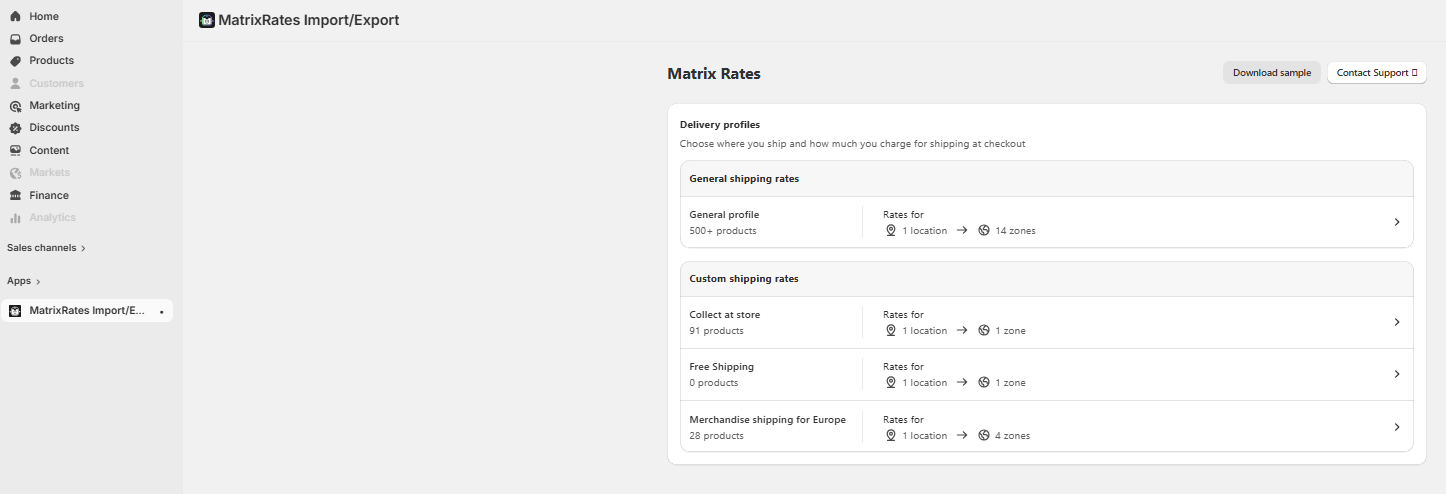
No structured approach to international rates meant unpredictable checkout costs.
Solution
The category hierarchy and collection structure were rebuilt, intelligent tagging logic applied for filtering and search, and internal navigation improved for faster product access — reducing friction in browsing rather than adding features.
Product titles and descriptions were rewritten against keyword mapping, meta data and on-page elements optimised, and product information clarified — which also reduces returns.
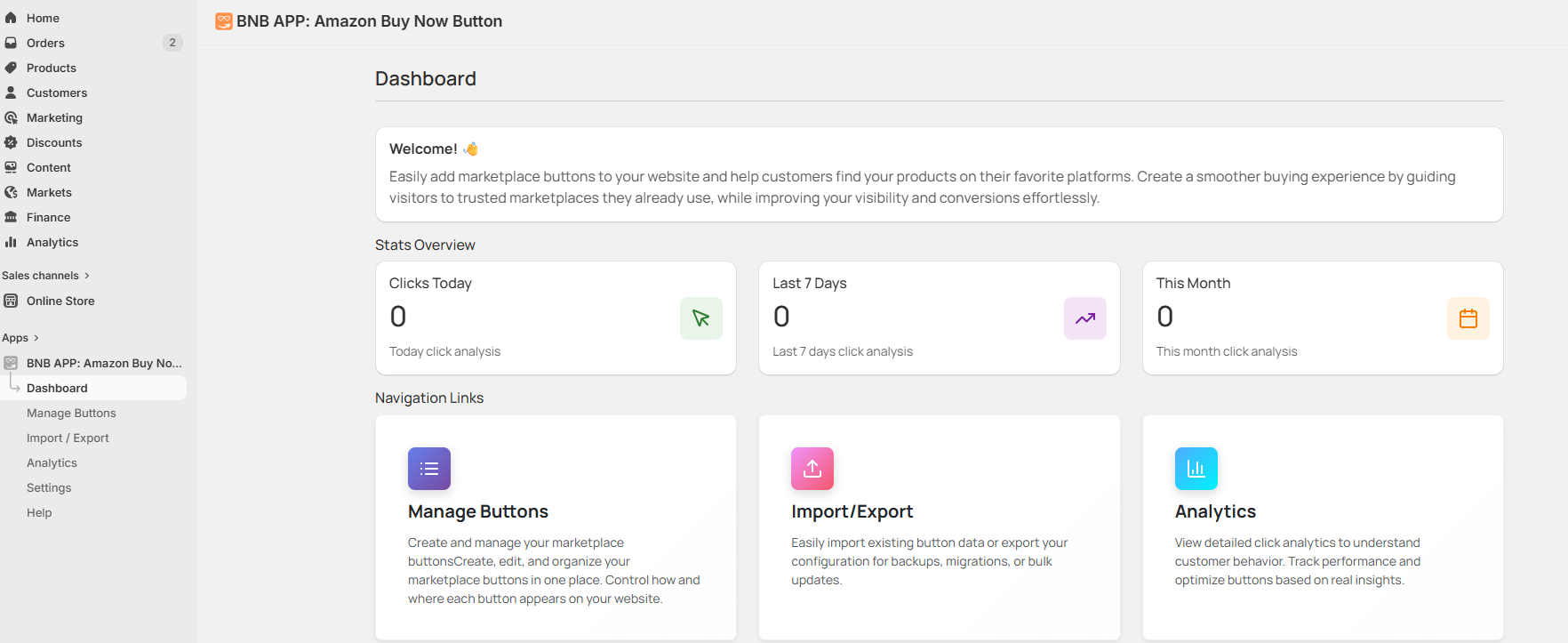
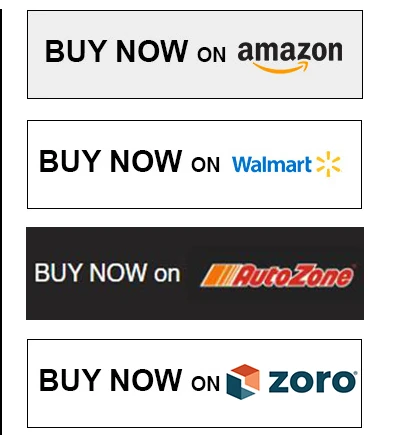
The store was prepared for marketplace integration with inventory sync readiness across channels, and backend systems built to support omnichannel operations.
Impact
Running a multi-brand store at this scale is an architecture problem rather than a listing problem. Standardising the data, rebuilding the structure and automating the bulk work produced a store that can absorb growth instead of being slowed by it.
Describe it in a sentence. We will tell you what we would do about it, and whether it is something we should be doing at all.
Tell us the workload
We will map the roles, the hours and the cost, and come back within one working day.
Or submit an enquiry — the full form, with a service line